
 포인트
포인트10 Factors To Know On B1 Driving License You Didn't Learn At School
페이지 정보
작성자 Maureen 작성일 25-02-27 15:51 조회 13 댓글 0본문
Getting a B1 Driving License
To obtain a license, you must be ready and dedicated. You need to schedule appointments, prepare documents and take tests. As a student, you must also have insurance.
The B1 license permits you to drive four-wheel motor vehicles that weigh less than 400kg unladen or 550 kilograms for vehicles that are designed to carry goods. This category also includes small, light vans.
What is a B1 driver's license?
A B1 driving licence is a kind of licence that permits drivers to drive light vehicles. It is a photo card that is valid for ten years. The card contains information about the maximum weight of the vehicle as well as the number and type of passengers that are allowed to travel in it, and other vital details. The restrictions of the driver are included in the space.
The B1 driving licence is a subcategory within category B. It allows drivers to drive cars with up to eight passenger seats and a maximum weight of 3,500kg. The B1 driving license permits drivers to tow trailers that weigh up to 750kg. The driving license is intended to be used for personal and non-commercial purposes.
You must pass both the theory and practical driving tests to obtain the B1 license. In order to prepare for the test, you must practice driving in a variety of vehicles and conditions. This will give you the experience you need to pass the test. Additionally, you must also make sure that you have the proper documents with you to the driving test. The instructor Prawo jazdy na Skuter and DVSA will not be competent to conduct your test without these documents.
If you wish to drive larger vehicles, such as buses or lorries, they must have a driving license of category C. To qualify for this, you must be at least 18 years old or have a standard driving licence. If you're not 18 years old or older, you'll have to undergo a medical exam to determine if you're competent to drive a big vehicle.
Driving licences used to be made up of the European format, as specified by Directive 91/439/EEC. The documents were tri-folded, pink paper with a photo along with personal information and the home address of the driver. The front of the license contained the list, in code format, prawo jazdy a1 Kup prawo jazdy z kodem 95 na skuter (click here to investigate) of the types of vehicles and trailers that required an authorization.
The format was replaced by a new system within the EU, which features a photograph of the driver as well as personal information on both sides of a blue plastic card. In addition, it features a colour-coded scheme that indicates the type of vehicle or trailer. A vehicle belonging to category B1 will be marked with the code 152.
Eligibility for a B1 driving license
The B1 driving licence is the official document that allows drivers to drive vehicles on public roads in the country they reside in or in many other foreign countries. This licence can only be granted to those who have passed the theory and the practical driving test. The test includes both road rules as well as the ability to perceive hazards. It is also important to note that people who have an interim licence must carry their learner permit with them, which must be displayed either in their vehicle or on their tabards if they are a motorcyclist.
Additionally, those who have a category B licence are allowed to tow small trailers that are specifically designed to carry goods. They are also able to drive motor tricycles, quad cycles and three-wheel vehicles as long as the weight does not exceed 550 kilograms. This category was included on EU citizens' driving licenses when their driving test completed prior to 19 January 2013. However this option is no longer available to those who pass their driving test after that date.
If you are planning to apply for a B1 license you must first pass the theory test and obtain a provisional driving licence (L-plates). You must also hold an insurance policy that covers drivers prior to taking the driving test. You should also bring your test certificate along with both sections of your driving licence photocard with you to the practical test. If you fail to meet with these requirements your driving test will be cancelled and prawo jazdy a1 the PS23 fee forfeited.
You must also be 18 years old to drive a car with a category B licence. If you plan to transport a small trailer you must pass a separate trailer driving test. The DVLA plans to modify this in the future.
You can practice to prepare for your theory test by taking a series of online mock tests. These tests are like the real test and will help you gain a sense of the test format. These tests will allow you become more confident and prepared for the day of your theory test.
Obtaining a B1 driver's license
The process of getting a driving license in the United States as a B-1 visa holder can be complicated and confusing. The requirements for getting an driver's license are to make an appointment at the DMV, providing documentation, and passing both driving and written tests. To obtain a driver's license in the US as B-1 visa holders requires that you meet residency requirements, which vary from state to state.
In Category B1, you are allowed to drive four-wheeled vehicles that weigh not more than 400 kilograms (or 550 kilograms if they're designed to transport goods). This category allows you to add trailer entitlement, which means that you can tow up 750 kg of trailers. This is a less heavy licence than the Category B, which only allows you to drive small light passenger cars and vans.
In addition B1 drivers are able to drive motorised two-wheelers, and this includes motorbikes with an engine capacity of up to 250 cubic centimetres, and mopeds. In certain countries, the classification also covers quadricycles that are similar to mopeds and scooters but with the power of 15 kW.
If you are a driver with a valid license in the Category B class, you may also drive Category D and Category D1 vehicles. Category D is the most heavy class of vehicle. You can drive buses that have more than eight seats and tow trailers up to 12,000 kilograms. Category D1 is a limited version of the category and it permits you to drive smaller vehicles and trailers.
You will receive a license for cars (B), and you can also add higher categories to your licence after passing the relevant tests. The category on your licence will tell you what vehicles you are permitted to drive and the towing limits. The information is usually displayed on your driving license under 'provisional rights'. You can also check it online. You must possess a valid test certificate to add these categories to your license.
Passing the B1 driving test
The B1 driving licence is an official document that permits individuals to drive on roads in the nation and in most foreign countries. To get this license, candidates must pass a written test followed by the driving test. The test is conducted in a special building, and the examiner grades the applicant by their performance. To pass the test, you must be able to score at least 22 points out of 26. Candidates may be awarded less marks when he or she answers incorrectly more than five times.
The first portion of the test is a written exam, which consists of questions on driving regulations and road signs. To pass the test, candidates must answer each question correctly. The next portion of the test is a driving test that requires the candidate to handle various traffic situations. The examiner will assess the candidate's ability to respond quickly and efficiently in these situations. Depending on the results of this portion of the exam the candidate will be granted a driving license or refused one.
Candidates must also pass a medical exam in addition to the driving test. If they're not fit enough to drive then they will be denied the B1 driving permit. The test isn't easy to pass, and it requires lots of practice to be prepared for the driving test. A professional instructor is the best method to prepare. This will allow you get the most value from your time behind the wheel and enhance your driving skills.
A category B licence allows you to drive four-wheel motor vehicles that's unladen weight does not exceed 3,500 kg. It also entitles you to tow a trailer that does not exceed 750 kg but the combined weight of both must not surpass the maximum capacity of the vehicle. The category B1 license also allows you to drive quadricycles or motor tricycles provided that the weight of these vehicles does not exceed 550 kg. The category C1 license, on the contrary, allows you to drive automobiles and vehicles that have a a maximum load capacity greater than 3.5 tons.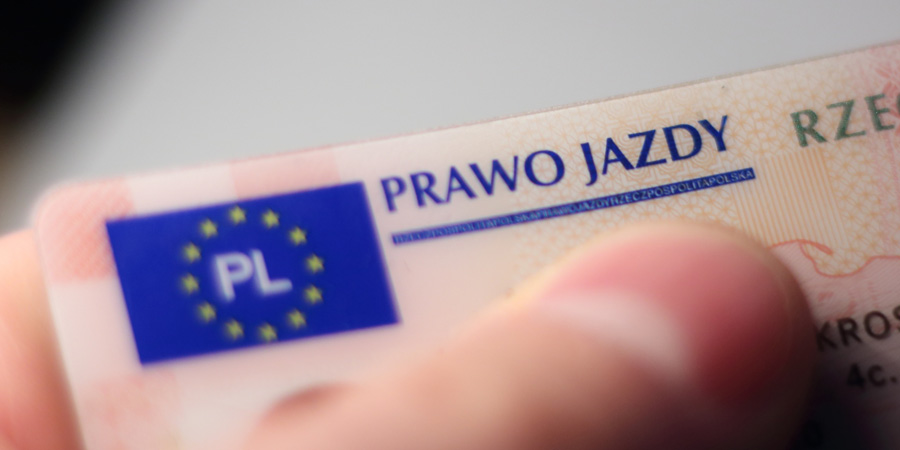
To obtain a license, you must be ready and dedicated. You need to schedule appointments, prepare documents and take tests. As a student, you must also have insurance.
The B1 license permits you to drive four-wheel motor vehicles that weigh less than 400kg unladen or 550 kilograms for vehicles that are designed to carry goods. This category also includes small, light vans.
What is a B1 driver's license?
A B1 driving licence is a kind of licence that permits drivers to drive light vehicles. It is a photo card that is valid for ten years. The card contains information about the maximum weight of the vehicle as well as the number and type of passengers that are allowed to travel in it, and other vital details. The restrictions of the driver are included in the space.
The B1 driving licence is a subcategory within category B. It allows drivers to drive cars with up to eight passenger seats and a maximum weight of 3,500kg. The B1 driving license permits drivers to tow trailers that weigh up to 750kg. The driving license is intended to be used for personal and non-commercial purposes.
You must pass both the theory and practical driving tests to obtain the B1 license. In order to prepare for the test, you must practice driving in a variety of vehicles and conditions. This will give you the experience you need to pass the test. Additionally, you must also make sure that you have the proper documents with you to the driving test. The instructor Prawo jazdy na Skuter and DVSA will not be competent to conduct your test without these documents.
If you wish to drive larger vehicles, such as buses or lorries, they must have a driving license of category C. To qualify for this, you must be at least 18 years old or have a standard driving licence. If you're not 18 years old or older, you'll have to undergo a medical exam to determine if you're competent to drive a big vehicle.
Driving licences used to be made up of the European format, as specified by Directive 91/439/EEC. The documents were tri-folded, pink paper with a photo along with personal information and the home address of the driver. The front of the license contained the list, in code format, prawo jazdy a1 Kup prawo jazdy z kodem 95 na skuter (click here to investigate) of the types of vehicles and trailers that required an authorization.
The format was replaced by a new system within the EU, which features a photograph of the driver as well as personal information on both sides of a blue plastic card. In addition, it features a colour-coded scheme that indicates the type of vehicle or trailer. A vehicle belonging to category B1 will be marked with the code 152.
Eligibility for a B1 driving license
The B1 driving licence is the official document that allows drivers to drive vehicles on public roads in the country they reside in or in many other foreign countries. This licence can only be granted to those who have passed the theory and the practical driving test. The test includes both road rules as well as the ability to perceive hazards. It is also important to note that people who have an interim licence must carry their learner permit with them, which must be displayed either in their vehicle or on their tabards if they are a motorcyclist.
Additionally, those who have a category B licence are allowed to tow small trailers that are specifically designed to carry goods. They are also able to drive motor tricycles, quad cycles and three-wheel vehicles as long as the weight does not exceed 550 kilograms. This category was included on EU citizens' driving licenses when their driving test completed prior to 19 January 2013. However this option is no longer available to those who pass their driving test after that date.
If you are planning to apply for a B1 license you must first pass the theory test and obtain a provisional driving licence (L-plates). You must also hold an insurance policy that covers drivers prior to taking the driving test. You should also bring your test certificate along with both sections of your driving licence photocard with you to the practical test. If you fail to meet with these requirements your driving test will be cancelled and prawo jazdy a1 the PS23 fee forfeited.
You must also be 18 years old to drive a car with a category B licence. If you plan to transport a small trailer you must pass a separate trailer driving test. The DVLA plans to modify this in the future.
You can practice to prepare for your theory test by taking a series of online mock tests. These tests are like the real test and will help you gain a sense of the test format. These tests will allow you become more confident and prepared for the day of your theory test.
Obtaining a B1 driver's license
The process of getting a driving license in the United States as a B-1 visa holder can be complicated and confusing. The requirements for getting an driver's license are to make an appointment at the DMV, providing documentation, and passing both driving and written tests. To obtain a driver's license in the US as B-1 visa holders requires that you meet residency requirements, which vary from state to state.
In Category B1, you are allowed to drive four-wheeled vehicles that weigh not more than 400 kilograms (or 550 kilograms if they're designed to transport goods). This category allows you to add trailer entitlement, which means that you can tow up 750 kg of trailers. This is a less heavy licence than the Category B, which only allows you to drive small light passenger cars and vans.
In addition B1 drivers are able to drive motorised two-wheelers, and this includes motorbikes with an engine capacity of up to 250 cubic centimetres, and mopeds. In certain countries, the classification also covers quadricycles that are similar to mopeds and scooters but with the power of 15 kW.
If you are a driver with a valid license in the Category B class, you may also drive Category D and Category D1 vehicles. Category D is the most heavy class of vehicle. You can drive buses that have more than eight seats and tow trailers up to 12,000 kilograms. Category D1 is a limited version of the category and it permits you to drive smaller vehicles and trailers.
You will receive a license for cars (B), and you can also add higher categories to your licence after passing the relevant tests. The category on your licence will tell you what vehicles you are permitted to drive and the towing limits. The information is usually displayed on your driving license under 'provisional rights'. You can also check it online. You must possess a valid test certificate to add these categories to your license.
Passing the B1 driving test
The B1 driving licence is an official document that permits individuals to drive on roads in the nation and in most foreign countries. To get this license, candidates must pass a written test followed by the driving test. The test is conducted in a special building, and the examiner grades the applicant by their performance. To pass the test, you must be able to score at least 22 points out of 26. Candidates may be awarded less marks when he or she answers incorrectly more than five times.
The first portion of the test is a written exam, which consists of questions on driving regulations and road signs. To pass the test, candidates must answer each question correctly. The next portion of the test is a driving test that requires the candidate to handle various traffic situations. The examiner will assess the candidate's ability to respond quickly and efficiently in these situations. Depending on the results of this portion of the exam the candidate will be granted a driving license or refused one.
Candidates must also pass a medical exam in addition to the driving test. If they're not fit enough to drive then they will be denied the B1 driving permit. The test isn't easy to pass, and it requires lots of practice to be prepared for the driving test. A professional instructor is the best method to prepare. This will allow you get the most value from your time behind the wheel and enhance your driving skills.
A category B licence allows you to drive four-wheel motor vehicles that's unladen weight does not exceed 3,500 kg. It also entitles you to tow a trailer that does not exceed 750 kg but the combined weight of both must not surpass the maximum capacity of the vehicle. The category B1 license also allows you to drive quadricycles or motor tricycles provided that the weight of these vehicles does not exceed 550 kg. The category C1 license, on the contrary, allows you to drive automobiles and vehicles that have a a maximum load capacity greater than 3.5 tons.
- 이전글 Situs Togel Resmi Tools To Improve Your Daily Lifethe One Situs Togel Resmi Trick That Every Person Should Learn
- 다음글 How To find The Time To AIVONO Deluxe Bar 18000 Puffs Disposable Vape On Twitter
댓글목록 0
등록된 댓글이 없습니다.