
 포인트
포인트Wisdom On Robot Cleaner From An Older Five-Year-Old
페이지 정보
작성자 Ardis 작성일 25-03-30 12:07 조회 10 댓글 0본문
How to Prolong the Life of a Robot Cleaner
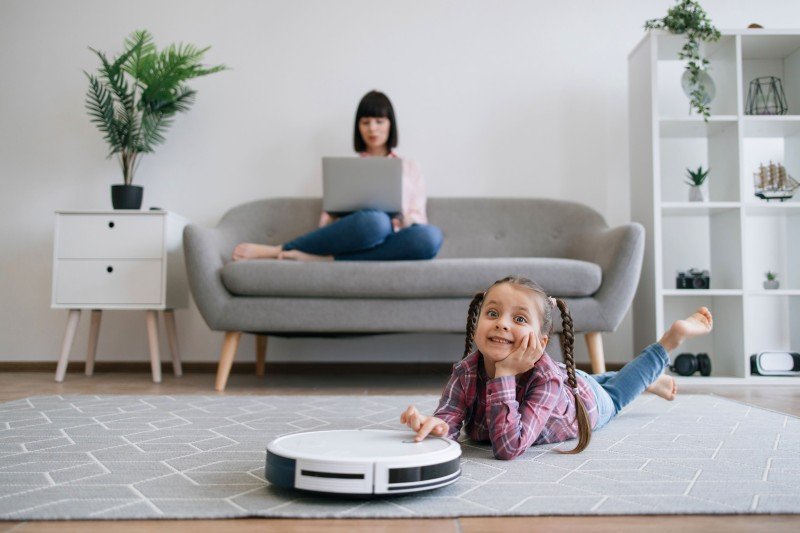 A robot cleaner will help you keep your home tidy. But which ones do you be sure will do the job well?
Some models have mapping capabilities to help remember the layout of your floor plans. This helps them to be more efficient to robots that do not have maps capabilities. Other features include carpet detection, which helps avoid watering mopping pads.
1. AI-powered obstacle avoidance
An AI-powered cleaning amazon robot vacuum can automatically detect obstacles and adjust its movements to avoid them. It makes use of cameras and sensors to detect objects, as well as advanced algorithms to determine the most expensive robot vacuum efficient way to move. It can also learn from its surroundings and alter its behavior over time.
Cleaning robots have become a popular consumer robotics product. They can do a variety of jobs, such as vacuuming, mopping and even cleaning windows. Some models can even be employed as a personal assistant to schedule activities and control smart home appliances, and provide weather updates. However, they are susceptible to obstacles that prevent them from working properly. These problems could be caused by debris or dust getting caught in the nozzle, or by objects becoming caught in brush. Many robot cleaners come with AI-powered technology that can eliminate these problems.
Ultrasonic, camera, and light sensors are the most commonly used types obstacle avoidance technology used in robots that clean. Ultrasonic sensors emit high-frequency sound waves that detect obstacles and other items in a room. They can also be used to detect height changes like stairs or the edges of carpets. Some DEEBOT robots use this sensor to boost suction power while navigating staircases and other areas that are difficult to navigate.
Other robots use sophisticated obstacle avoidance techniques called simultaneous mapping and localization (SLAM). These robots utilize laser distance sensors to make a real-time map of their surroundings. They can also recognize obstacles by their dimensions and shapes. SLAM technology is commonly employed by robot best vacuums to navigate around furniture and other big obstacles.
In addition to the ability to detect obstacles, AI-powered clean robots are also able to make decisions and take actions according to the data they get from their sensors. This process is known as machine learning, and it involves using computer algorithms to learn from and make predictions about data. This information can be used to improve the performance of robots and their efficiency. Once an AI-powered robotics system has identified an object it can send commands to its actuators, such as motors or servos that allow it to move around that object.
2. Self-emptying dust bin
Self-emptying robots are the perfect solution for busy people. These models automatically empty the collection bins in the docking station. This eliminates the need to empty the bins manually onboard during Cleaning Robots For Home sessions. This is a time-saving feature that's ideal for people suffering from allergies. It also prevents dust from escaping into the air after emptying, so you don't have to worry about it triggering your symptoms.
You'll need to regularly check the base of your robotic vacuum for blockages and clean the filters (if applicable). This can be done by lifting the lid of the dustbin then emptying it and then sifting through its contents to find any obstructions. Some robots come with an "empty bin" indicator on the screen, which will blink to notify you when it's time for a new bag.
Some models have a larger storage container in their bases that can accommodate weeks or months worth of trash, and you'll need to empty them on a less frequently basis. This is especially useful for those who live in large house or have a difficult-to-reach space.
The bins are designed to contain the dirt and pet hair without letting it escape into air, meaning you aren't dealing with the dust blowback that's common when emptying traditional robot vacuums. Depending on the model you choose, you'll have to empty the bin every 45 to 60 days.
The storage bins on these robot cleaners aren't only convenient, but they also can help prolong the life of the motor and brushes. They're constructed from plastic that's been made to last and is resistant to damage. You'll typically find them in dark gray or black, which can help to hide stains and smudges from your carpet, furniture and other surfaces. A model like this can also save you money in the long run, since you'll be less likely to have to replace your sweeper or vacuum regularly.
3. Room-specific cleaning
Utilizing a combination of sensors as well as mapping capabilities and intelligent algorithms, robots are able to learn the arrangement and arrangement of your home. By creating an image of the room, robots can move furniture and objects more precisely and efficiently. This is especially beneficial in multi-floor homes. Certain robots have sensors on the walls that let them clean and navigate around new rooms.
The majority of the modern robotic vacuums and mops come with the ability to map. However, each manufacturer uses this feature in their own method. LiDAR, vSLAM, and other mapping technologies aid the robot navigate around your home. Each room is divided into sections that are then cleaned in straight lines.
These technologies can also be used to identify specific areas in your home that require extra attention, like under tables and chairs where dirt can build up. In addition, some robot vacuums and mopbots come equipped with acoustic sensors that let them know when they've struck something like the leg of a chair or an object sufficiently to damage it.
Based on this information, the robot can adjust its behavior and start cleaning that specific area before moving forward. It can also create a new cleaning map after each run, and improve its route every time. The app will provide an in-depth report on the cleanliness of each room as well as increased efficiency in operation.
The roborock i8 is an excellent example of a premium robot with superior mapping capabilities, a user-friendly application, and a compact docking station. Its lidar navigation was quick and precise, and it was able to divide rooms accurately in my first attempt. The suction on carpets was awe-inspiring. It comes with a feature that allows you to manually trigger the cleaning mode simply by pressing the app. This is great for spot-cleaning.
The data exchange between the robot and your phone is done via an encrypted and secure connection, and the app offers regular updates to improve the functionality. Depending on the size and number of floors in your home, you can choose to create multiple maps and assign each one to a specific timetable. You can also use the app to have your robot sweep all floors in your home at once.
4. Scheduled cleaning
Many robot cleaners can be capable of vacuuming and mopping multiple times per week to remove dust, food crumbs and pet hair. Owners report that their homes feel much more clean and fresher than before. However, this type of activity can strain batteries and wear out sensors and brushes faster. Follow the instructions of the manufacturer for charging and emptying your robot to extend its lifespan. Keep a container filled with compressed air in the garage to blow dust away from sensors, gears, and the tiniest nooks of the base. Replace filters as well as side brushes and rolls as recommended.
No matter if you have a single robot or a mix of models, most can connect to Wi-Fi in your home and can be programmed via the smartphone app, voice control using Alexa or Google Assistant, or by using manual buttons on the unit itself. This connection lets you observe the progress of cleaning in real-time.
If you've mapped and zoned your floor space, you can decide which rooms will be included in the scheduled clean and adjust the settings to meet your requirements - from mop intensity and water flow rate to vacuum power mode. You can create "no-go" zones to prevent the machine from traveling through certain areas, such as hallways.
The majority of smart robots are able to be programmed to clean according to specific health and safety guidelines. It is recommended to schedule surfaces that are frequently used to be cleaned each day during an outbreak of disease, or to clean them after contact with blood or other substances that could be dangerous.
Like all electrical appliances it is important to make sure that your robot is powered into and placed on a level surface to prevent falls. It is also important to think about the best robot vacuum deals place for your robot, as this will affect how it moves around the room and its navigation accuracy. The robot should be set approximately 2 feet from any objects to either side and 4 feet away from furniture (including tables and chairs) and stairs. This will allow the robot to find an easy path free of obstacles and ensure a more precise cleaning.
A robot cleaner will help you keep your home tidy. But which ones do you be sure will do the job well?Some models have mapping capabilities to help remember the layout of your floor plans. This helps them to be more efficient to robots that do not have maps capabilities. Other features include carpet detection, which helps avoid watering mopping pads.
1. AI-powered obstacle avoidance
An AI-powered cleaning amazon robot vacuum can automatically detect obstacles and adjust its movements to avoid them. It makes use of cameras and sensors to detect objects, as well as advanced algorithms to determine the most expensive robot vacuum efficient way to move. It can also learn from its surroundings and alter its behavior over time.
Cleaning robots have become a popular consumer robotics product. They can do a variety of jobs, such as vacuuming, mopping and even cleaning windows. Some models can even be employed as a personal assistant to schedule activities and control smart home appliances, and provide weather updates. However, they are susceptible to obstacles that prevent them from working properly. These problems could be caused by debris or dust getting caught in the nozzle, or by objects becoming caught in brush. Many robot cleaners come with AI-powered technology that can eliminate these problems.
Ultrasonic, camera, and light sensors are the most commonly used types obstacle avoidance technology used in robots that clean. Ultrasonic sensors emit high-frequency sound waves that detect obstacles and other items in a room. They can also be used to detect height changes like stairs or the edges of carpets. Some DEEBOT robots use this sensor to boost suction power while navigating staircases and other areas that are difficult to navigate.
Other robots use sophisticated obstacle avoidance techniques called simultaneous mapping and localization (SLAM). These robots utilize laser distance sensors to make a real-time map of their surroundings. They can also recognize obstacles by their dimensions and shapes. SLAM technology is commonly employed by robot best vacuums to navigate around furniture and other big obstacles.
In addition to the ability to detect obstacles, AI-powered clean robots are also able to make decisions and take actions according to the data they get from their sensors. This process is known as machine learning, and it involves using computer algorithms to learn from and make predictions about data. This information can be used to improve the performance of robots and their efficiency. Once an AI-powered robotics system has identified an object it can send commands to its actuators, such as motors or servos that allow it to move around that object.
2. Self-emptying dust bin
Self-emptying robots are the perfect solution for busy people. These models automatically empty the collection bins in the docking station. This eliminates the need to empty the bins manually onboard during Cleaning Robots For Home sessions. This is a time-saving feature that's ideal for people suffering from allergies. It also prevents dust from escaping into the air after emptying, so you don't have to worry about it triggering your symptoms.
You'll need to regularly check the base of your robotic vacuum for blockages and clean the filters (if applicable). This can be done by lifting the lid of the dustbin then emptying it and then sifting through its contents to find any obstructions. Some robots come with an "empty bin" indicator on the screen, which will blink to notify you when it's time for a new bag.
Some models have a larger storage container in their bases that can accommodate weeks or months worth of trash, and you'll need to empty them on a less frequently basis. This is especially useful for those who live in large house or have a difficult-to-reach space.
The bins are designed to contain the dirt and pet hair without letting it escape into air, meaning you aren't dealing with the dust blowback that's common when emptying traditional robot vacuums. Depending on the model you choose, you'll have to empty the bin every 45 to 60 days.
The storage bins on these robot cleaners aren't only convenient, but they also can help prolong the life of the motor and brushes. They're constructed from plastic that's been made to last and is resistant to damage. You'll typically find them in dark gray or black, which can help to hide stains and smudges from your carpet, furniture and other surfaces. A model like this can also save you money in the long run, since you'll be less likely to have to replace your sweeper or vacuum regularly.
3. Room-specific cleaning
Utilizing a combination of sensors as well as mapping capabilities and intelligent algorithms, robots are able to learn the arrangement and arrangement of your home. By creating an image of the room, robots can move furniture and objects more precisely and efficiently. This is especially beneficial in multi-floor homes. Certain robots have sensors on the walls that let them clean and navigate around new rooms.
The majority of the modern robotic vacuums and mops come with the ability to map. However, each manufacturer uses this feature in their own method. LiDAR, vSLAM, and other mapping technologies aid the robot navigate around your home. Each room is divided into sections that are then cleaned in straight lines.
These technologies can also be used to identify specific areas in your home that require extra attention, like under tables and chairs where dirt can build up. In addition, some robot vacuums and mopbots come equipped with acoustic sensors that let them know when they've struck something like the leg of a chair or an object sufficiently to damage it.
Based on this information, the robot can adjust its behavior and start cleaning that specific area before moving forward. It can also create a new cleaning map after each run, and improve its route every time. The app will provide an in-depth report on the cleanliness of each room as well as increased efficiency in operation.
The roborock i8 is an excellent example of a premium robot with superior mapping capabilities, a user-friendly application, and a compact docking station. Its lidar navigation was quick and precise, and it was able to divide rooms accurately in my first attempt. The suction on carpets was awe-inspiring. It comes with a feature that allows you to manually trigger the cleaning mode simply by pressing the app. This is great for spot-cleaning.
The data exchange between the robot and your phone is done via an encrypted and secure connection, and the app offers regular updates to improve the functionality. Depending on the size and number of floors in your home, you can choose to create multiple maps and assign each one to a specific timetable. You can also use the app to have your robot sweep all floors in your home at once.
4. Scheduled cleaning
Many robot cleaners can be capable of vacuuming and mopping multiple times per week to remove dust, food crumbs and pet hair. Owners report that their homes feel much more clean and fresher than before. However, this type of activity can strain batteries and wear out sensors and brushes faster. Follow the instructions of the manufacturer for charging and emptying your robot to extend its lifespan. Keep a container filled with compressed air in the garage to blow dust away from sensors, gears, and the tiniest nooks of the base. Replace filters as well as side brushes and rolls as recommended.
No matter if you have a single robot or a mix of models, most can connect to Wi-Fi in your home and can be programmed via the smartphone app, voice control using Alexa or Google Assistant, or by using manual buttons on the unit itself. This connection lets you observe the progress of cleaning in real-time.
If you've mapped and zoned your floor space, you can decide which rooms will be included in the scheduled clean and adjust the settings to meet your requirements - from mop intensity and water flow rate to vacuum power mode. You can create "no-go" zones to prevent the machine from traveling through certain areas, such as hallways.
The majority of smart robots are able to be programmed to clean according to specific health and safety guidelines. It is recommended to schedule surfaces that are frequently used to be cleaned each day during an outbreak of disease, or to clean them after contact with blood or other substances that could be dangerous.
Like all electrical appliances it is important to make sure that your robot is powered into and placed on a level surface to prevent falls. It is also important to think about the best robot vacuum deals place for your robot, as this will affect how it moves around the room and its navigation accuracy. The robot should be set approximately 2 feet from any objects to either side and 4 feet away from furniture (including tables and chairs) and stairs. This will allow the robot to find an easy path free of obstacles and ensure a more precise cleaning.
- 이전글 Seven Reasons To Explain Why Collection Of Addresses Is Important
- 다음글 10 Reasons Why People Hate Link Alternatif Gotogel. Link Alternatif Gotogel
댓글목록 0
등록된 댓글이 없습니다.