
Modernizing Ghost Stories for a Tech-Savvy World
페이지 정보

본문
Fears and folklore have been passed down for centuries—transmitted as cautionary tales, late-night thrills, or mirrors to the soul’s shadows. But the ghosts of old—spectral figures in tattered gowns—whispering in hollowed-out manors or haunting mist-laced cemeteries—fall flat with modern listeners. Today’s youth are raised on screens, algorithms, and empirical reasoning. To keep ghost tales alive, we need to reframe them so they strike deep in today’s digital psyche.
The old ghosts were often symbols of guilt, regret, or unresolved trauma. Today, those themes still matter, but they need new vessels. Not a mourning widow in corset and crinoline pacing the stairs, imagine a corrupted AI assistant that loops the final audio note of a deceased loved one. The voice keeps playing at 3 a.m., even after the device is reset. Only the resident is tormented by the sound. The terror isn’t otherworldly—it’s coded, and it cuts deeper.
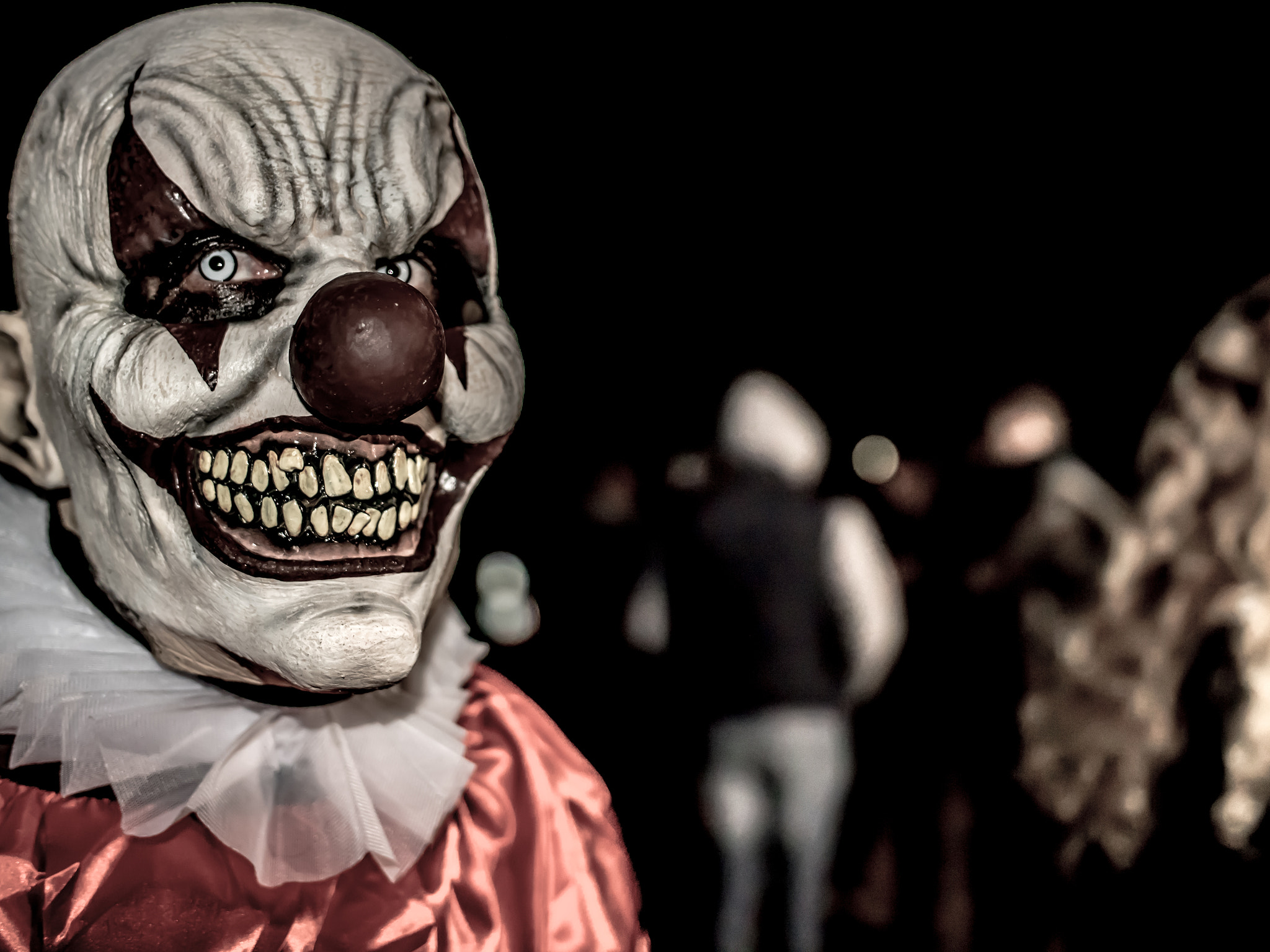
New specters emerge from our dread of being tracked, remembered, or exploited online. A child’s online profile continues to post updates years after their death, generated by an AI trained on their social media history. Their contacts are greeted by a bot that remembers their inside jokes. The ghost isn’t a spirit—it’s data, and it’s harder to fight than a shadow.
The nature of the haunting can evolve. Classic spirits are trapped souls or vengeful entities. In new versions, they might be bewildered souls seeking closure, not chaos. A soldier’s AI-powered war journal begins to write entries long after his death, each one revealing a memory he never shared with anyone. These aren’t curses—they’re confessions. The ghost is not a threat but a message from the past trying to reach the present.
Where the haunting occurs changes everything. Hauntings don’t need to happen in castles or asylums. They can happen in a bus stop that repeats the final plea of someone who never arrived. Or in a recommendation engine that pairs you with a profile that should be archived. The chill arises not from spirits, but from the breakdown of what we believe is real.
True horror books now lives in the everyday, not the exotic. We’re more terrified of being unremembered than of being devoured. They fear being misunderstood more than they fear a monster. So the new ghosts are the ones who refuse to disappear—not because they are evil, but because they were loved, or because someone still needs to hear what they have to say.
Modern hauntings don’t rely on shrieks or sudden jumps. They need to be thought-provoking, emotionally resonant, and quietly disturbing. They should haunt like a melody you can’t shake. Not a scream in the dark. By blending technology, psychology, and timeless emotion, we can ensure they endure into the next century. The dead may not walk anymore, but their echoes still hum through our screens, our memories, and our silence. That’s the haunting that won’t let you sleep.
- 이전글How Indigenous Lore Reshapes Modern Horror 25.11.15
- 다음글The Rise of Modern Folk Horror in Cinema 25.11.15
댓글목록
등록된 댓글이 없습니다.