
You'll Never Guess This Window Screen Repair's Tricks
페이지 정보

본문
How to Repair a Damaged Window Screen: A Comprehensive Guide
professional window repair screens are a crucial part of any home, offering ventilation while keeping pests and debris out. However, over time, these screens can become damaged due to different factors, such as wear and tear, unexpected effects, or the natural aging process. Fixing a damaged window screen repair screen is an economical and simple service that can extend the life of your screens and preserve the aesthetic and practical stability of your home. This detailed guide will walk you through the steps to repair a damaged window screen, including the tools you require, the process, and some regularly asked questions.
Tools and Materials Needed
Before you start the repair procedure, gather the following tools and products:
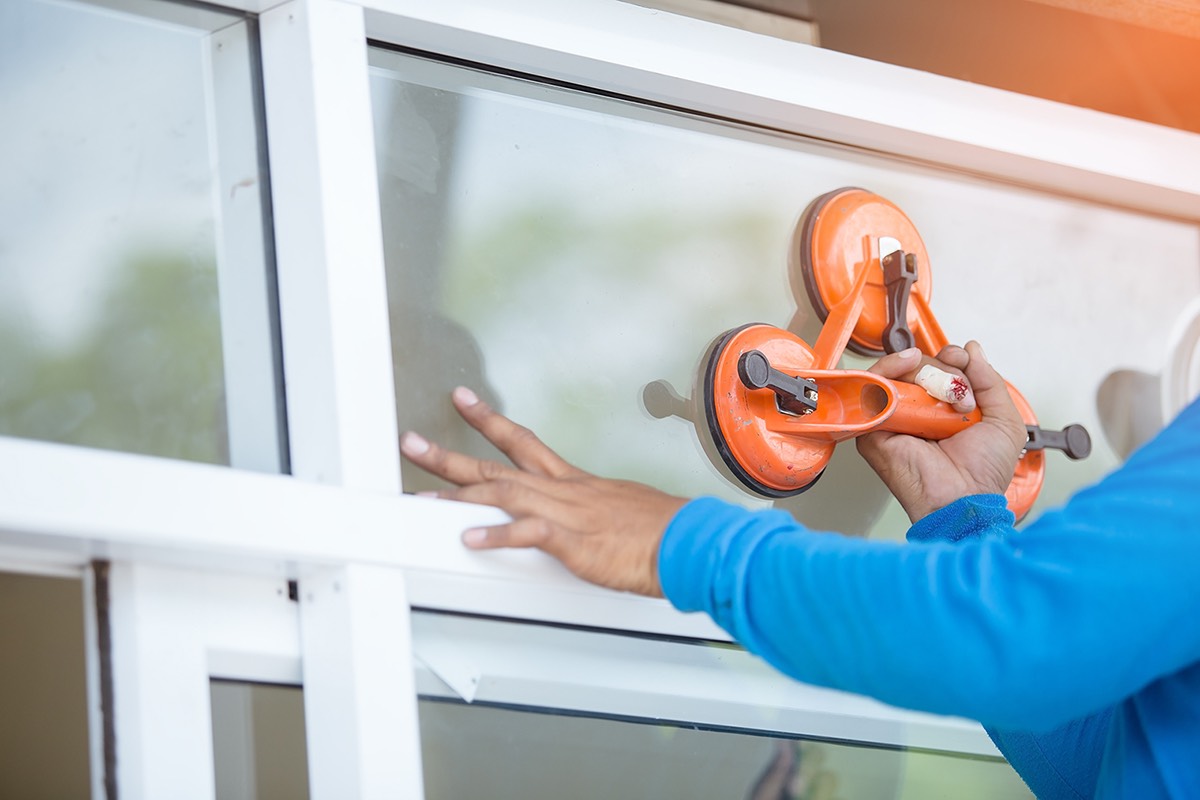
- Replacement screen material (fiberglass or aluminum)
- Spline (the rubbery strip that holds the screen in location)
- Spline roller tool (a specialized tool for setting up and eliminating the spline)
- Utility knife
- Scissors
- Measuring tape
- Pliers
- awl or screwdriver
- Cleaning fabric
- Masking tape
Step-by-Step Guide to Repairing a Damaged Window Screen
Evaluate the Damage
- Begin by taking a look at the damaged location of the screen. Determine if the damage is restricted to a small area or if the whole screen needs to be replaced.
- If the damage is minor, such as a small tear, you might have the ability to patch it. For larger locations or if the frame is harmed, you will need to replace the whole screen.
Remove the Damaged Screen
- Use the awl or screwdriver to gently pry out the spline from the groove around the frame. Take care not to damage the frame.
- When the spline is eliminated, thoroughly take out the damaged screen material.
Clean the Frame
- Utilize a cleansing cloth to clean down the frame, eliminating any dirt, particles, or old adhesive. This will make sure a clean surface area for the new screen material and spline.
Step and Cut the New Screen Material
- Procedure the dimensions of the frame and include about 1 inch to each side to guarantee the brand-new screen product will fit correctly.
- Utilize the utility knife or scissors to cut the new screen material to the proper size.
Install the New Screen Material
- Location the brand-new screen material over the frame, ensuring it is focused and taut. Usage masking tape to protect the edges temporarily.
- Starting at one corner, use the spline roller tool to press the spline into the groove around the frame. Roll the spline in evenly, making sure it is seated firmly.
- As you work, pull the screen material taut to prevent wrinkles or loose areas.
Trim Excess Screen Material
- When the spline is fully set up, utilize the utility knife to cut any excess screen product around the edges. Beware not to cut the spline.
Final Inspection
- Check the screen to guarantee it is smooth, tight, and effectively set up. Look for any loose locations or wrinkles and change as needed.
- Re-install the screen in the window frame and test it to ensure it functions properly.
Tips for Maintaining Your Window Screens
- Routine Cleaning: Clean your broken window repair screens routinely with a soft brush or cloth to eliminate dirt and debris. This will assist prevent damage and extend the life of the screen.
- Avoid Sharp Objects: Be cautious with sharp items near the screens to prevent unintentional tears or punctures.
- Look for Wear: Periodically check your screens for indications of wear and tear. Address small issues immediately to prevent them from ending up being bigger problems.
Frequently Asked Questions (FAQs)
Q: Can I repair a little tear in my window screen?
- A: Yes, little tears can often be repaired utilizing a screen repair patch. Simply cut a piece of spot product slightly larger than the tear, use adhesive to the back of the spot, and press it firmly over the tear. This will reinforce the damaged area and prevent the tear from spreading.
Q: What kind of screen material should I utilize for replacement?
- A: Fiberglass is a popular choice for replacement screen material because it is durable, resistant to tearing, and simple to work with. Aluminum is another alternative, especially if you prefer a more robust and weather-resistant product.
Q: How do I know if I need to replace the entire screen or just a section?
- A: If the damage is limited to a small location and the frame is in excellent condition, you can often patch the damaged section. Nevertheless, if the damage is extensive or the frame is damaged, it is best to replace the whole screen.
Q: Can I install a screen with a spline roller tool if I don't have one?
- A: While a spline roller tool is the most efficient tool for the job, you can utilize a rounded item like a dowel or the deal with of a spoon to push the spline into the groove. However, a spline roller tool will make the procedure easier and more exact.
Q: How often should I replace my commercial window repair screens?
- A: The life-span of a window screen can differ depending on factors such as use, direct exposure to the elements, and upkeep. Normally, window screens can last 10 to 15 years with appropriate care. If you observe significant wear, damage, or if the screen no longer operates effectively, it may be time for a replacement.
By following these steps and tips, you can successfully repair a damaged window screen and keep the functionality and look of your home window repair. Routine upkeep and timely repairs will help guarantee your screens continue to serve you well for several years to come.
- 이전글↑ «Faut-il Traduire Les Toponymes? 25.12.03
- 다음글Remen`s 칙칙이 2+2병 25.12.03
댓글목록
등록된 댓글이 없습니다.