
Guide To Exercise Cycle For Home: The Intermediate Guide Towards Exerc…
페이지 정보

본문
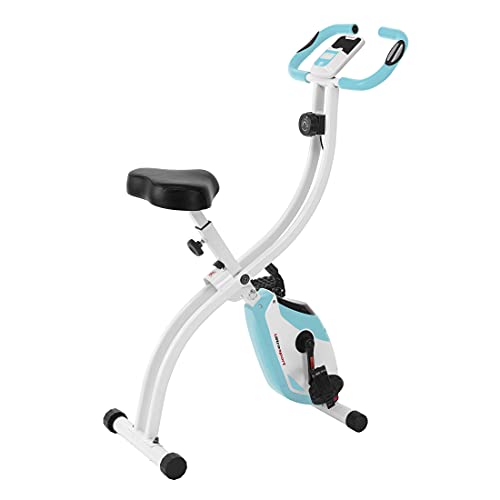 The Ultimate Guide to Creating an Effective Exercise Cycle for Home
In the hectic world of today, maintaining a healthy way of life has ended up being more crucial than ever. For numerous, the allure of a home health club setup is irresistible, exercise Cycle for home offering the convenience required to fit workouts into busy schedules. Among the numerous exercise equipment offered, a stationary exercise bike sticks out as a versatile and reliable tool for home fitness. This article explores the benefits of using an exercise bike in the house, how to choose the best one, and offers an in-depth guide to developing a well-rounded exercise mini cycle exercise bike regimen that can be easily integrated into life.
The Benefits of Home Cycling
Cycling at home deals numerous advantages over conventional fitness center setups or outside biking. Here are some crucial benefits:
Convenience: No requirement to travel to a health club, conserving energy and time.
Weather Condition Independence: exercise bike in home no matter outside conditions.
Versatility: Customize your workout to fit your schedule and physical fitness goals.
Low Impact: Gentle on joints, making it ideal for any ages and physical fitness levels.
Cardiovascular Benefits: Improve heart health and boost endurance.
Mental Health: Reduces tension and boosts state of mind through routine exercise.
Calorie Burning: Exercise cycle for home Effective for weight-loss and management.
Choosing the Right Exercise Bike
Choosing the appropriate stationary bicycle is crucial to guarantee a comfortable and effective workout experience. Here are some factors to consider:
Kind of Bike
Upright Bike: Resembles a conventional roadway bike and provides a more intense exercise.
Recumbent Bike: Provides back assistance and is perfect for those with pain in the back or movement issues.
Spin Bike: Designed for high-intensity period training (HIIT) and offers a more vibrant workout.
Resistance Mechanism
Magnetic Resistance: Smooth and peaceful, permitting exact resistance changes.
Fricton Resistance: Less costly however can be loud and less exact.
Air Resistance: Uses a fan to develop resistance, providing a natural biking feel.
Adjustability
Seat and Handlebar: Ensure they can be adapted to fit your body comfortably.
Resistance Levels: Look for a bike with a wide variety of resistance settings.
Extra Features
Heart Rate Monitor: Helps track fitness progress.
LCD Display: Provides exercise information like speed, range, and calories burned.
Built-in Workouts: Pre-programmed regimens for variety and benefit.
Spending plan
Rate Range: Determine your budget and try to find bikes that use the very best value for your cash.
Setting Up Your Home Gym
Creating a dedicated area for your stationary bicycle can significantly enhance your exercise experience. Here are some suggestions:
Location
Peaceful Area: Choose a room where you can exercise without diversions.
Well-Ventilated: Ensure the location is well-ventilated to remain comfy during intense sessions.
Floor covering
Non-Slip Mats: Use non-slip mats to prevent the bike from moving and to protect the floor.
Cushioning: Consider a cushioned mat to lower joint impact.
Equipment
Bike Stand: For upright bikes, a stand can stabilize the bike.
Water Bottle Holder: Stay hydrated with a holder within easy reach.
Towel Rack: Keep a towel nearby to wipe away sweat.
Home entertainment
TV or Tablet: Mount a screen to see exercises or entertainment during your sessions.
Speakers: Connect a pair of speakers to delight in music or podcasts.
Developing a Home Cycling Routine
A well-structured cycling regimen can help you attain your fitness objectives effectively. Here's a detailed guide to producing an efficient home cycling workout:
Warm-Up (5-10 minutes).
Low Resistance: Start with a gentle trip to heat up your muscles.
Dynamic Stretches: Include leg swings, hip circles, and arm circles to increase flexibility.
Main Workout (20-60 minutes).
Steady-State Cycling: Maintain a moderate rate and resistance for a sustained cardio exercise.
Interval Training: Alternate in between high-intensity sprints and low-intensity healing periods for a more tough session.
Hill Climbs: Increase resistance to mimic riding uphill, interesting various muscle groups.
Resistance Training: Use the bike's resistance to construct muscle strength, concentrating on leg and core muscles.
Cool Down (5-10 minutes).
Low Resistance: Gradually decrease intensity to cool off your heart rate.
Static Stretches: Hold stretches for 15-30 seconds to enhance versatility and decrease muscle pain.
Frequency and Duration.
Beginners: Aim for 2-3 sessions each week, each lasting 20-30 minutes.
Intermediate: Increase to 3-4 sessions each week, 30-45 minutes per session.
Advanced: Aim for 4-5 sessions weekly, 45-60 minutes per session.
Sample Home Cycling Workouts.
Here are 2 sample exercises to get you started:.
Novice Steady-State Workout.
Warm-Up: 5 minutes at low resistance.
Main Workout: 20 minutes at moderate resistance.
Cool off: 5 minutes at low resistance.
Overall Duration: 30 minutes.
Intermediate Interval Training Workout.
Warm-Up: 10 minutes at low resistance.
Main Workout: 30 minutes alternating 1 minute of high resistance with 2 minutes of low resistance.
Cool off: 10 minutes at low resistance.
Total Duration: 50 minutes.
Frequently asked questions.
Q: Can I use a stationary bicycle if I have knee issues? A: Yes, biking is a low-impact activity that can be mild on the knees. Nevertheless, it's essential to adjust the seat and handlebars to make sure proper posture and positioning to prevent strain.
Q: How frequently should I clean my exercise bike? A: It's suggested to clean your stationary bicycle after each usage to preserve health and prevent rust. Use a wet cloth to clean down the seat, handlebars, and frame. For deeper cleaning, describe the maker's standards.
Q: Can I use a stationary bicycle for weight loss? A: Absolutely! Cycling burns calories and can be a reliable part of a weight-loss strategy. Combine it with a well balanced diet and other types of exercise for optimal outcomes.
Q: Do I need unique clothes to use a stationary bicycle? A: While not strictly required, using comfy, moisture-wicking clothing can boost your exercise experience. Biking shorts and a moisture-wicking top are good options.
Q: Can I utilize my exercise bike for strength training? A: Yes, by utilizing greater resistance levels, you can engage your leg and core muscles, developing strength and endurance. Include resistance training into your routine for a more detailed workout.
Conclusion.
An exercise bike is a valuable addition to any home gym, offering a series of take advantage of benefit to low-impact exercises. By choosing the best bike, establishing a comfortable space, and following a structured regimen, you can attain your fitness goals and preserve a healthy way of life from the comfort of your home. Whether you're a beginner or an innovative cyclist, there's an exercise cycle bike strategy that can assist you reach your objectives and enjoy the many benefits of home cycling.
Additional Tips.
Stay Motivated: Set possible goals and track your development.
Mix It Up: Vary your workouts to avoid plateaus and keep things fascinating.
Stay Safe: Always warm up and cool off to prevent injuries.
Speak with a Professional: If you have any health issues, seek advice from a physical fitness expert or healthcare company before beginning a new exercise regimen.
By following these guidelines, you can develop a satisfying and reliable home biking regimen that fits flawlessly into your daily life. Happy cycling!
- 이전글10 Best Books On Mini Exercise Bike 25.02.19
- 다음글What You Should Be Focusing On Improving Nissan Car Key 25.02.19
댓글목록
등록된 댓글이 없습니다.