
What are Stakes Used for in Construction?
페이지 정보

본문
Precision is crucial in construction.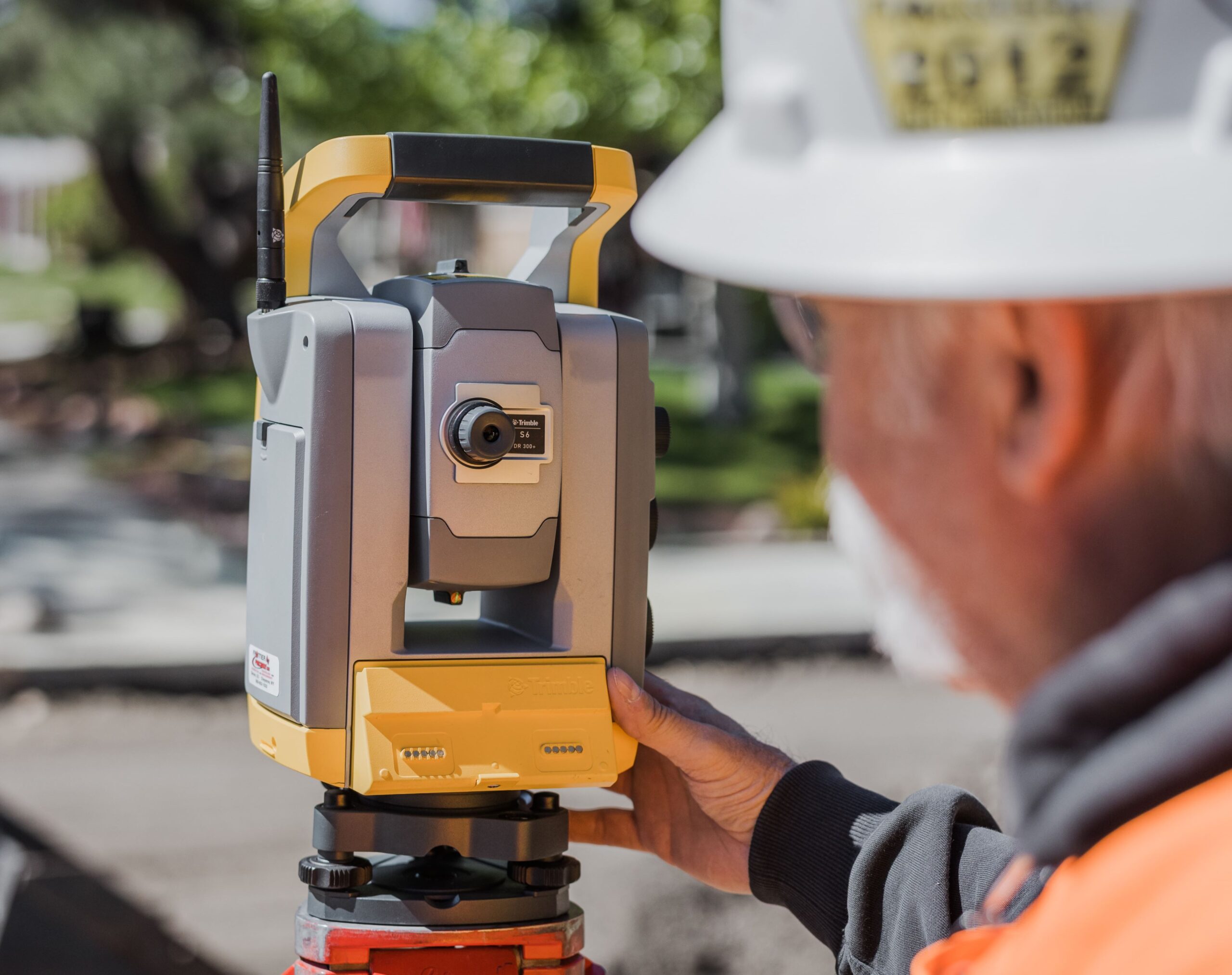 Even minor errors can result in expensive mistakes, structural issues, or delays.
 Grade stakes are essential for maintaining accuracy throughout the construction process.
 These markers may seem simple at first glance, but they are essential tools that guide contractors in achieving the correct elevations and slopes on a job site.
Grade stakes translate complex design plans into clear, physical markers that guide excavation, grading, and drainage. Without these stakes, projects can face water drainage issues, uneven foundations, or long-term damage to the structure. Knowing the importance of grade stakes helps contractors and property owners feel confident their investment is being built on a solid, well-calculated foundation.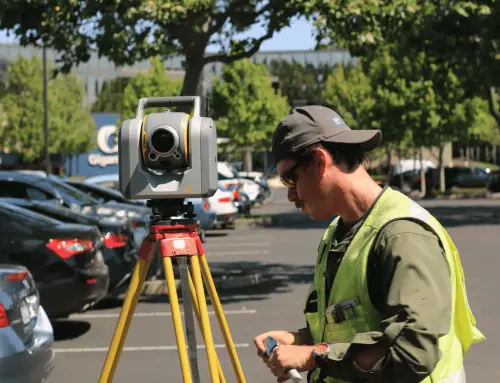
== Understanding the Role of Grade Stakes in Construction ==
Grade stakes are small but powerful indicators used to establish elevation and slope on construction and landscaping sites. The main function of grade stakes is to ensure that excavation, grading, and drainage meet the project’s specifications. From leveling foundations to creating proper slopes for water flow, these stakes guide contractors with clear, visible references.
Grade stakes are placed by professional surveyors, linking the design blueprint to the physical site for clear accuracy. For contractors, they provide step-by-step direction on how much soil should be cut or filled. Grade stakes give property owners confidence that their project complies with design and safety requirements. Ultimately, grade stakes form the base of every successful project, providing guidance for precision from start to finish.
== Why Accurate Elevation Matters in Construction ==
Elevation isn’t just a number—it’s a key element that impacts the success and stability of the project.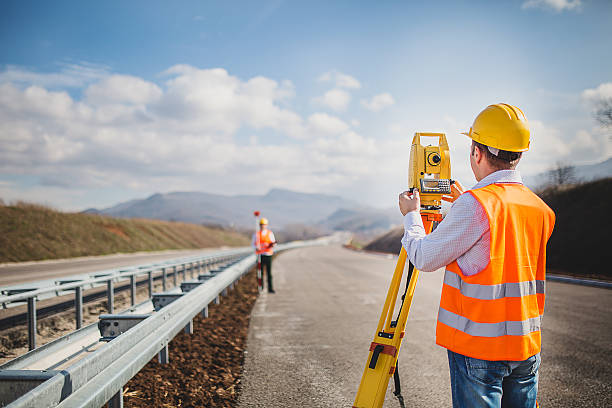 Grade stakes ensure that the correct height and slope are achieved on a site, reducing the risk of costly mistakes. Inaccurate elevation can result in foundation cracks, drainage issues, and water pooling, which cause long-term damage.
Contractors rely on grade stakes to mark these precise measurements, giving them the information needed to cut or fill soil accordingly. The precision of surveyors is essential in placing grade stakes to align with project specifications. Ultimately, accurate elevation not only keeps projects on schedule but also ensures long-term durability and safety for buildings, roads, and landscaping features.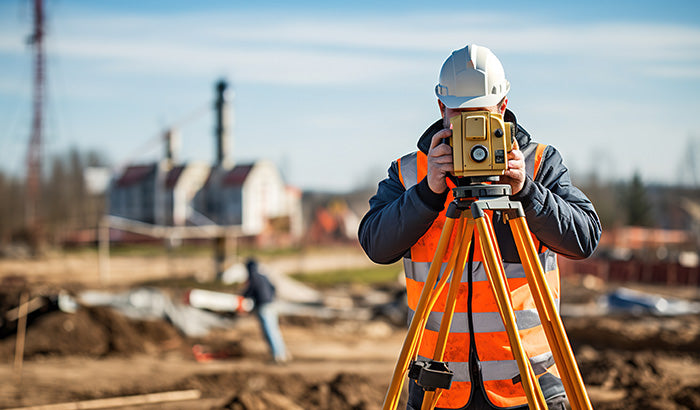
== Preventing Drainage and Flooding Issues with Stakes ==
An essential function of grade stakes is managing water flow on construction sites. Improper grading can cause serious drainage problems, such as flooding, erosion, or damage to structures. Grade stakes mark the elevation and slope to direct water away from key areas like foundations and roads.
Surveyors place stakes strategically, allowing contractors to shape the land for proper drainage. Using stakes to guide grading prevents costly repairs and long-lasting drainage issues. Whether residential or commercial, proper drainage is key to safety and longevity, made possible with grade stakes.
== How Surveyors Use Stakes to Guide Contractors ==
Surveyors use grade stakes as their primary tool for translating design plans into real-world construction. Surveyors place stakes after calculating site measurements, marking where and how work should be done. Each stake carries vital information—such as cut, fill, slope, and elevation—that contractors use to guide excavation and grading efforts.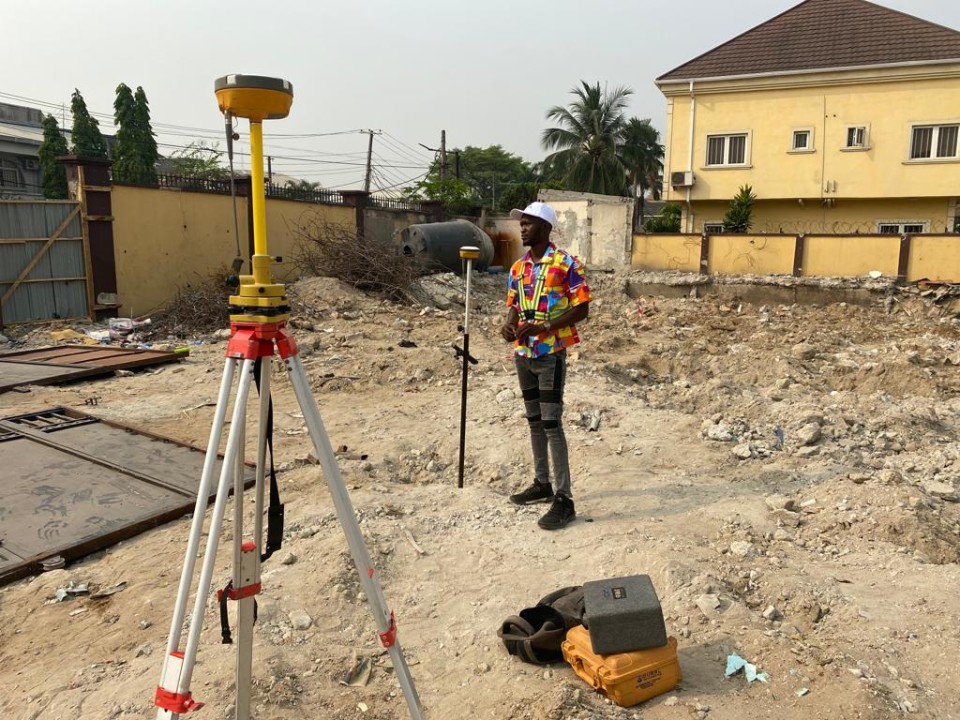
This system removes uncertainty from the construction process. Instead of relying on rough estimates, contractors follow precise markers that ensure accuracy and compliance with project plans. Surveyors adjust stakes as the project progresses, ensuring alignment with design plans.
 Projects lacking grade stakes risk delays and errors, while stakes ensure precision and survey companies near me keep things on track.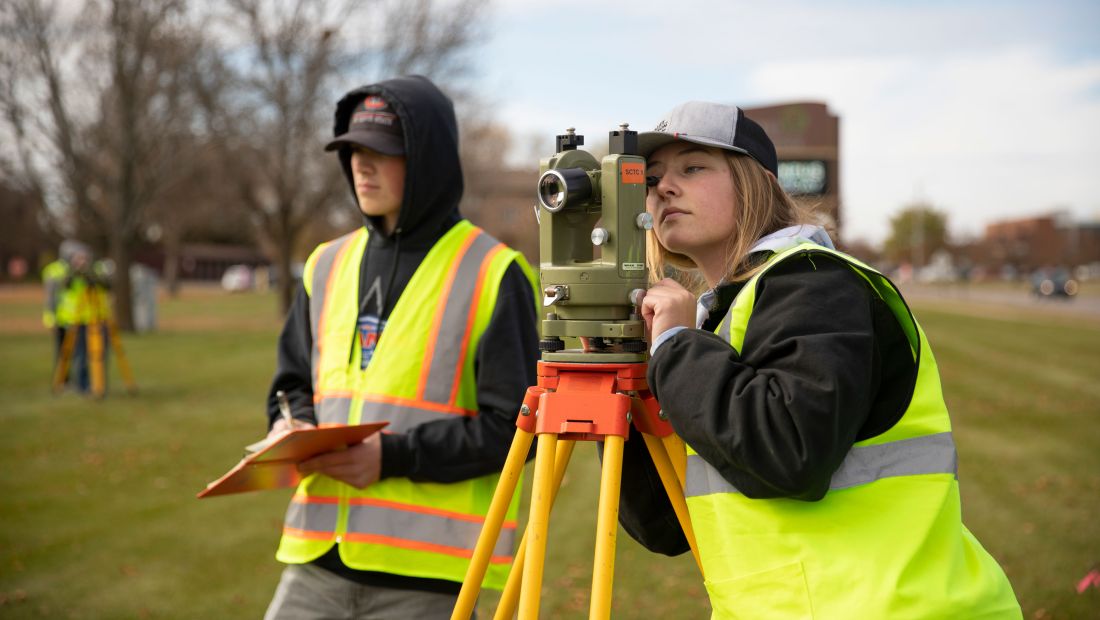
Even minor errors can result in expensive mistakes, structural issues, or delays. Grade stakes are essential for maintaining accuracy throughout the construction process. These markers may seem simple at first glance, but they are essential tools that guide contractors in achieving the correct elevations and slopes on a job site. Grade stakes translate complex design plans into clear, physical markers that guide excavation, grading, and drainage. Without these stakes, projects can face water drainage issues, uneven foundations, or long-term damage to the structure. Knowing the importance of grade stakes helps contractors and property owners feel confident their investment is being built on a solid, well-calculated foundation.
== Understanding the Role of Grade Stakes in Construction ==
Grade stakes are small but powerful indicators used to establish elevation and slope on construction and landscaping sites. The main function of grade stakes is to ensure that excavation, grading, and drainage meet the project’s specifications. From leveling foundations to creating proper slopes for water flow, these stakes guide contractors with clear, visible references.
Grade stakes are placed by professional surveyors, linking the design blueprint to the physical site for clear accuracy. For contractors, they provide step-by-step direction on how much soil should be cut or filled. Grade stakes give property owners confidence that their project complies with design and safety requirements. Ultimately, grade stakes form the base of every successful project, providing guidance for precision from start to finish.
== Why Accurate Elevation Matters in Construction ==
Elevation isn’t just a number—it’s a key element that impacts the success and stability of the project.
Grade stakes ensure that the correct height and slope are achieved on a site, reducing the risk of costly mistakes. Inaccurate elevation can result in foundation cracks, drainage issues, and water pooling, which cause long-term damage. Contractors rely on grade stakes to mark these precise measurements, giving them the information needed to cut or fill soil accordingly. The precision of surveyors is essential in placing grade stakes to align with project specifications.
Ultimately, accurate elevation not only keeps projects on schedule but also ensures long-term durability and safety for buildings, roads, and landscaping features. == Preventing Drainage and Flooding Issues with Stakes ==
An essential function of grade stakes is managing water flow on construction sites. Improper grading can cause serious drainage problems, such as flooding, erosion, or damage to structures.
Grade stakes mark the elevation and slope to direct water away from key areas like foundations and roads. Surveyors place stakes strategically, allowing contractors to shape the land for proper drainage. Using stakes to guide grading prevents costly repairs and long-lasting drainage issues. Whether residential or commercial, proper drainage is key to safety and longevity, made possible with grade stakes.
== How Surveyors Use Stakes to Guide Contractors ==
Surveyors use grade stakes as their primary tool for translating design plans into real-world construction.
Surveyors place stakes after calculating site measurements, marking where and how work should be done. Each stake carries vital information—such as cut, fill, slope, and elevation—that contractors use to guide excavation and grading efforts. This system removes uncertainty from the construction process.
Instead of relying on rough estimates, contractors follow precise markers that ensure accuracy and compliance with project plans. Surveyors adjust stakes as the project progresses, ensuring alignment with design plans. Projects lacking grade stakes risk delays and errors, while stakes ensure precision and survey companies near me keep things on track.- 이전글Comparing Free & Premium Private Instagram Viewer Tools – What’s the Difference? 25.10.03
- 다음글Exciting u31 Games at Leading Thailand Online Casino 25.10.03
댓글목록
등록된 댓글이 없습니다.