
How Light and Dark Shape Folk Horror
페이지 정보

본문
In the folk horror genre, light and shadow are more than mere aesthetics—they are emotional conduits. These films often unfold in isolated hamlets, primeval woodlands, or isolated cottages, where the the earth itself feels breathing with hidden intent. The the pattern of luminance—or fails to fall—creates a mood that is elegantly unsettling and ancestrally resonant.
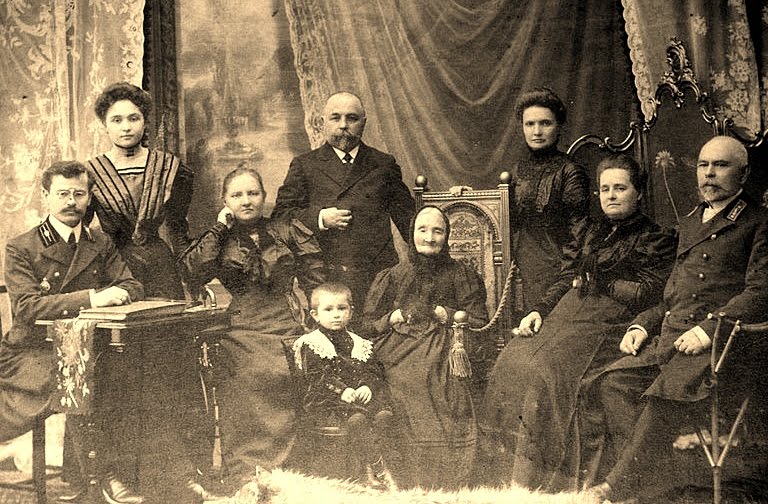
Unlike commercial fright films that rely on sudden jumps or loud sound effects, folk horror employs the slow dance of light and dark to weave quiet terror.
Sunlight in these films is almost never comforting or comforting. When it does appear, it is often filtered through thick tree canopies, casting long, twisted shadows that seem to move on their own. The light penetrates like a violation, as if it is unearthing truths that were meant to stay hidden.
In contrast, the darkness is far from blank. It is dense, breathing, and teeming with hidden watchers. Shadows clutch the ancient masonry, pool in corners of old churches, and creep over earth as if sentient. They become emblems of lost rites, buried beliefs, and the ancient will of the soil.
Cinematographers often use natural light to immerse viewers in tangible truth. A scene might be lit only by a flickering candle or the pale glow of a half moon, making each breath feel delicate and precarious. This minimal lighting forces the viewer to draw closer, to squint, to question what they are seeing. Is that shape standing just beyond the darkened horizon real, or a play of dimness and doubt? The ambiguity is the essence.
The interplay of illumination and obscurity also mirrors the tension between the known and the unknown. The villagers may live by old customs, but the audience is kept at arm’s length from their secrets. Light offers a glimpse to suggest danger, while shadow withholds the climax until it is too late. This precision makes the terror more psychological. It is not the creature that scares you—it is the silence between its movements, the way the light fades just as you feel you’ve figured out what is happening.
Even the color palette reinforces this. Natural hues prevail—soil-stained sepia, decaying verdancies, ashen grays—while electric glow, when present, is cold and sterile. A one flickering bulb in a cottage window becomes a illusion of protection, its light struggling to resist the overwhelming shadow. When the glow fades, the ancient silence returns.
Folk horror recognizes that fear lives in the gaps between perception and reality. Light and shadow are merely visual techniques here—they are timeless powers, as old as the ceremonies portrayed. They echo that certain revelations must remain buried, and that the most profound horrors are not always the ones without light, but the ones where radiance cannot take root.
- 이전글Nine Rules About Online Poker Meant To Be Broken 25.11.15
- 다음글8 Ways You can Grow Your Creativity Using Free Online Poker 25.11.15
댓글목록
등록된 댓글이 없습니다.